
Nickel
A Key Metal for Stainless Steel and Electric Vehicles
What is Nickel?
Nickel is a silvery-white metallic element with a slight golden hue. It exists in two main deposit types—laterite and sulphide—each requiring different extraction methods.
How is Nickel Used?
- Stainless Steel – Nickel from both sulphide and laterite ores is used primarily in stainless steel production.
- Electric Vehicles – Nickel sulphate, derived from nickel ores, is a crucial component in lithium-ion batteries.
- Versatility – Adding nickel enhances the durability and flexibility of stainless steel. Over two-thirds of global nickel production is used in stainless steel manufacturing.
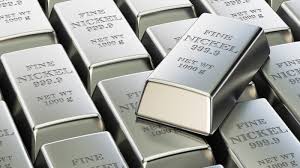
How is Nickel Used?
- Stainless Steel – Nickel from both sulphide and laterite ores is used primarily in stainless steel production.
- Electric Vehicles – Nickel sulphate, derived from nickel ores, is a crucial component in lithium-ion batteries.
- Versatility – Adding nickel enhances the durability and flexibility of stainless steel. Over two-thirds of global nickel production is used in stainless steel manufacturing.
Applications of Nickel
- Food & Healthcare – Used in kitchen materials, home appliances, and medical instruments.
- Industry – Found in process plants, oil and gas sectors, power generation, and chemical production.
- Architecture – Strengthens structures, such as reinforced concrete.
- Transport – Essential in cars, trains, and aerospace manufacturing.
- Electronics – Present in mobile phones, laptops, and digital cameras.
- Energy Storage – A key component in renewable energy storage systems, including lithium-ion batteries.
Nickel and Electric Vehicles
- Batteries – Essential for lithium-ion batteries powering electric vehicles.
- Core Ingredient – A 60kWh NMC811 battery requires:
- 5 kg of cobalt
- 5 kg of manganese
- 6 kg of lithium
- 39 kg of nickel
- Enhanced Battery Life – Higher nickel content increases battery longevity and driving range.
Where is Nickel Found?
Nickel sulphide deposits are found in Western Australia, South Africa, Canada, and Russia. Nickel laterite deposits exist in Australia, Indonesia, New Caledonia, and the Philippines.